NO SPOILERS
“This is the balance of the universe. It is only right for the world to bring upon him what he brought upon the world.”
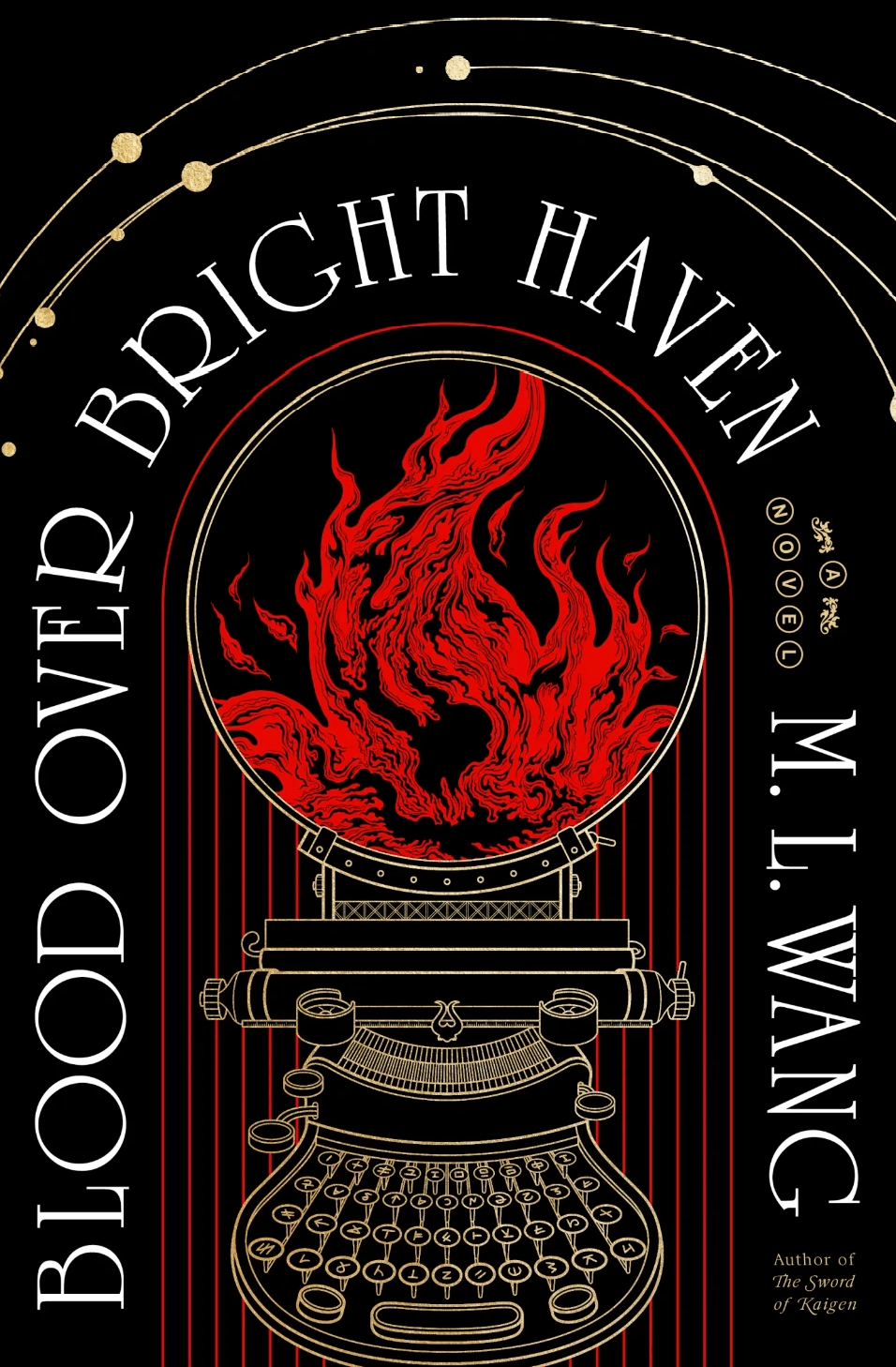
I know I gave this 5 stars because that’s the highest rating I can give in most contexts, but Blood Over Bright Haven has attained my first ever 6 star rating.
The first thing I truly have to say about this book is if it doesn’t make you downright sick and repulsed, something is wrong with you. I went through all the stages of grief and the full spectrum of emotions while reading this. I was horrified, disgusted, irritated, appalled, sad, frustrated, well… you get the picture. I fear this review is going to be a long one.
Blood Over Bright Haven is a dark academia fantasy set in the city of Tiran, a city led by mages and powered by energy that is siphoned from the “Otherrealm”. Our main character Sciona, is the first woman admitted to the High Magistry of Tiran. Our other main character is Thomil, a Kwen (ethnic minority tribe from outside of Tiran’s border) janitor. Together they team up and uncover unsettling truths of Tiran and the Magistry.
One major theme that I found particularly fascinating is the idea of death vs. authenticity. Tiran is a patriarchal society that fundamentally believes that men are the bright thinkers and innovators of the world while the women are to be pious homemakers. Sciona is simply not that type of woman. She’s an egotistical megalomaniac that has never been and will never be a “traditional” woman if not by her way of thinking, then for her pursuit of knowledge and power. Thomil is Kwen, he is “uncivilized” in the eyes of the Tiranish and known for being unskilled and brutish. For Sciona, it is safer to be docile and unambitious as a woman in Tiran, but being that person comes with the cost of her authenticity. For Thomil, it is safer to be obedient and assimilate in Tiran than to complain or lash out against his Tiranish oppressors. These characters, though vastly different in personality and oppression, struggle with the same fundamental problem: do you kill yourself and the core of your being to become what the world wants from you, or do you risk it all in the pursuit of being authentically yourself even if it’s not well-received? By the end, we see each character make their choice.
Another major theme that was done so brilliantly in this book is the dangers of religious indoctrination. The core belief of Tiran is that Lord Prophet Leon was given a vision from God to found Tiran to protect against Blight, an “illness” that has overtaken the Kwen populace. The Tiranish believe that God has granted them the power to innovate, making them intrinsically superior to other ethnic groups. One of the many dangers of religion is the us vs. them mentally that automatically brands the “lesser” group as heretical, impure, and ultimately unworthy of power, status, or equality. The relevance in this statement to our world today isn’t that far-fetched. Indoctrination can make you believe you’re doing good things for the good of others and society even if it causes suffering. If you don’t question religion, you can be absolved from evils committed for the sake of said religion.
While there are tons and tons of other things I’d love to discuss, just know that I’ll be thinking about this book for the rest of my life.
M. L. Wang is an absolute genius. This book makes you question everything and everyone including yourself. While Sciona is terrible and insufferable, her growth in Blood Over Bright Haven shows us that there might just be humanity in the most evil of people. Or perhaps that evil people are born from the evil machine that is the world that they have grown up in. Some people enjoy the ignorance that allows them to live comfortably even at the expense of the misery of others.
 Pages & Pressings
Leave a comment